
Tooth condition · Preparation · Long-term decision
Porcelain veneer consultations in Downtown Calgary
A porcelain veneer is a thin restoration attached to the front of a tooth. Suitability depends on the change you want to discuss and the condition of the tooth, enamel, gums, bite, and existing dental work. Review preparation, permanence, alternatives, maintenance, care roles, and expected fees before deciding.
- Your dentist
- Dr. Michael Wu, General Dentist
- Hours
- Open from 7 AM on weekdays
- Insurance
- Direct billing, most plans
- Fees
- Explained before treatment begins
Pain, swelling, injury, something broken, or a lost filling or crown?
For current pain, swelling, injury, or worsening symptoms: Call (403) 313-3000 during clinic hours for current urgent availability. Do not wait for a cosmetic appointment request.
Start with the change, not an assumed veneer
You may want to discuss the colour, shape, surface, spacing, angle, or appearance of one or more teeth. You may also be reviewing an existing veneer or comparing cosmetic and restorative paths. The same visual goal can have more than one reasonable option.
The findings may support whitening, a direct restorative or bonding discussion, orthodontic assessment, repair, a crown assessment, monitoring, referral, or no treatment.
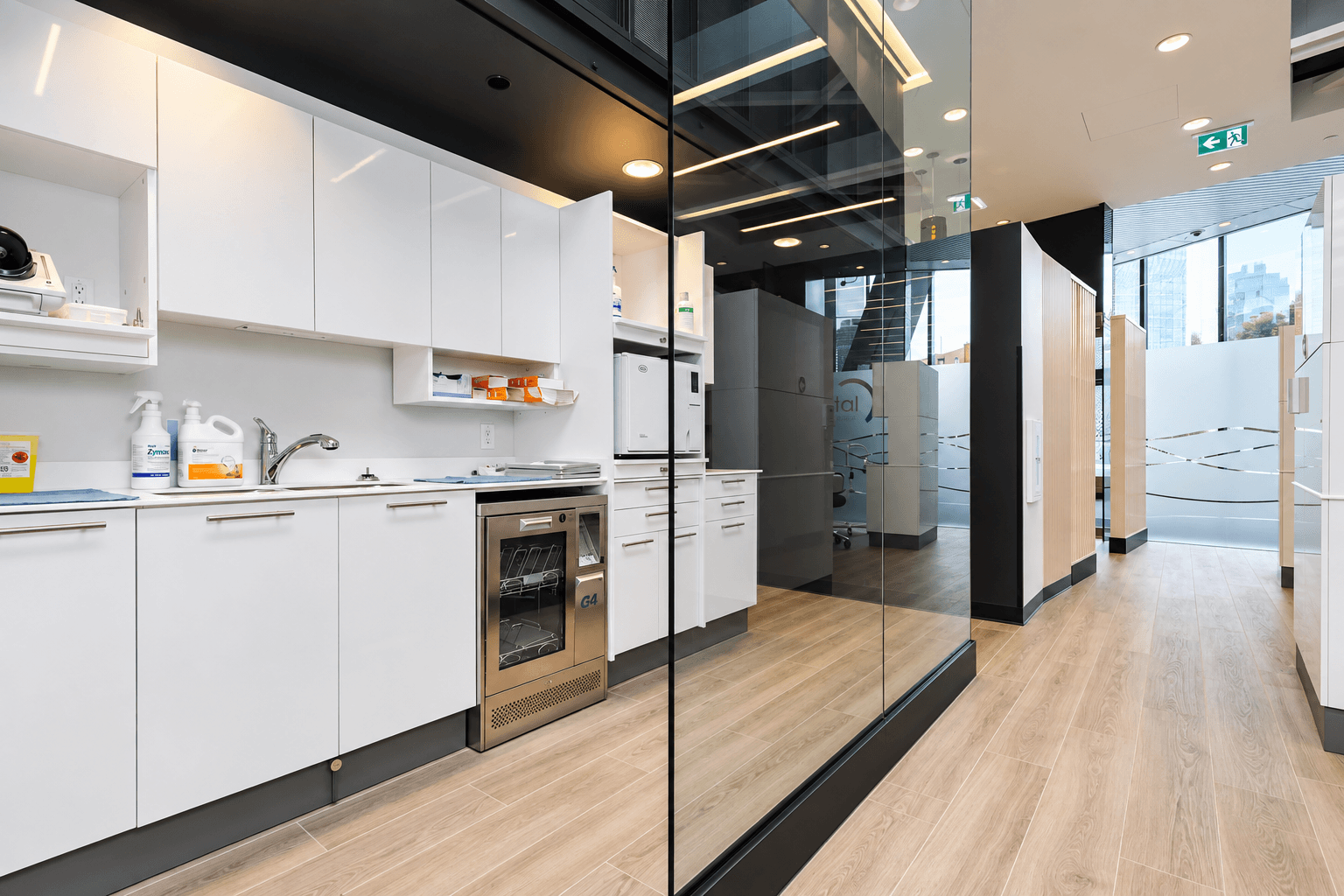
The assessment determines whether a veneer deserves consideration
Dr. Wu reviews the appearance goal, relevant health and dental history, teeth, enamel, existing restorations, gums, bite, and habits such as grinding or clenching. Records may be recommended when they are clinically useful. The findings guide which options and trade-offs should be discussed.
- Decay and gum healthThe Canadian Dental Association advises that decay and periodontal disease need treatment before veneers are considered. Covering an unhealthy tooth does not resolve the underlying problem.
- Enamel and remaining tooth structureA veneer needs an appropriate tooth surface for bonding. Limited enamel or substantial loss of tooth structure may point to another restorative plan.
- Bite, grinding, and clenchingForces from the bite or repeated grinding and clenching can affect suitability and the risk of a veneer chipping or breaking.
- Existing dental work and the broader planFillings, crowns, root canal treatment, tooth position, colour, and neighbouring teeth may affect sequencing, alternatives, and what can realistically be changed.
Understand what changes to the tooth may be required
The Canadian Dental Association describes porcelain-veneer treatment as removing a thin layer of enamel to make room for the restoration. The exact amount and method depend on the clinical plan and are not stated for Dental at the Bow. When enamel is removed, the tooth has been permanently altered and the veneer decision cannot simply be undone.
Ask what will be changed
Review which tooth or teeth are being considered, what preparation is proposed, how much sound structure remains, and why that approach is being recommended.
Ask what the tooth may need in the future
A veneer may later chip, loosen, wear, or need repair or replacement. Decay or another problem can still develop in the underlying or surrounding tooth.
Ask how the decision affects alternatives
Preparation may change which future restorative choices remain available. Compare less extensive and different options before treatment begins.
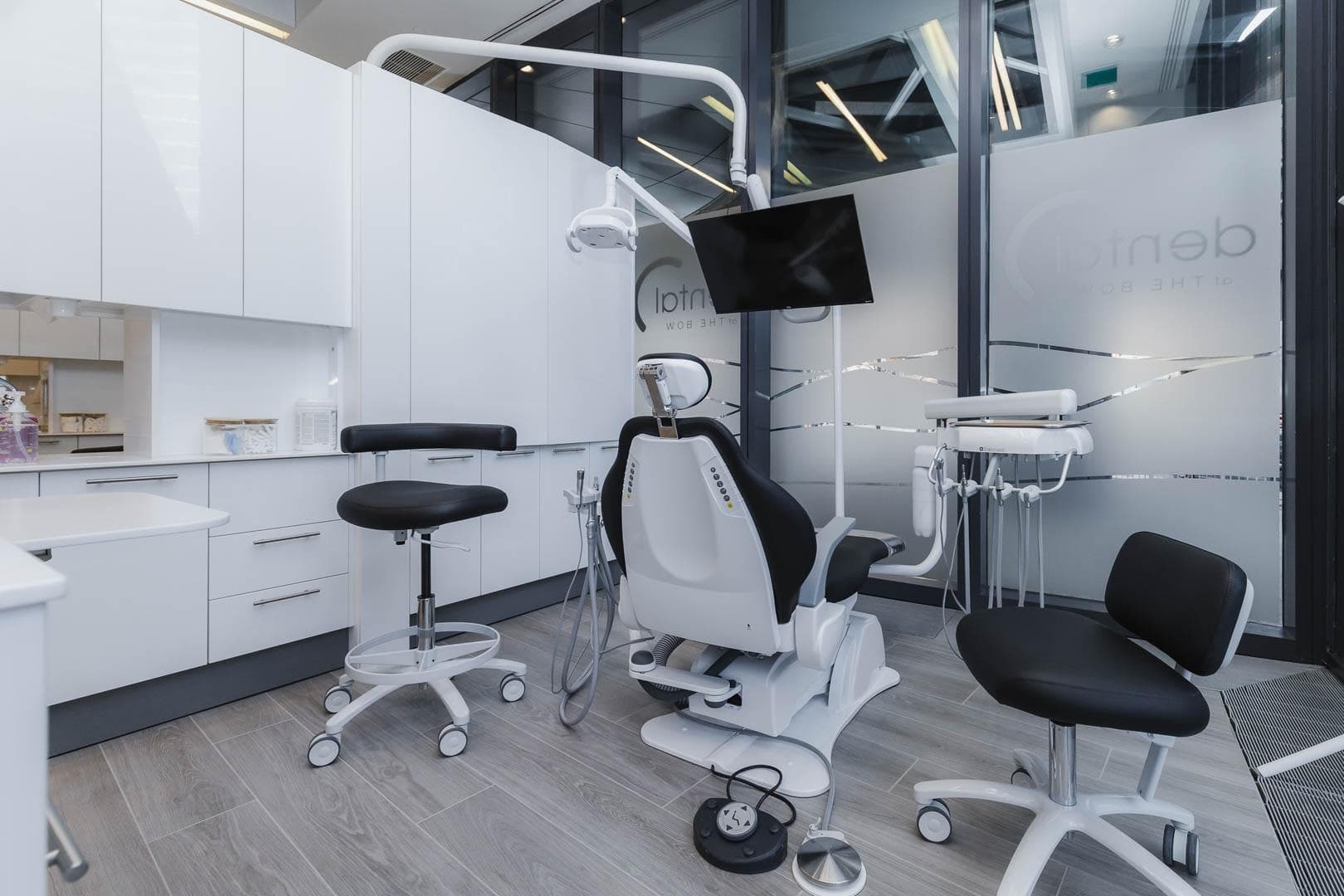
Confirm the design, preparation, provider, and stages
The stages below are general. The clinic confirms materials, workflow, and care roles after assessment.
Agree on the goal and realistic limits
Identify what you want to change, which teeth are involved, what a veneer may and may not change, and how the result would relate to neighbouring teeth and existing dental work.
Address oral-health and functional concerns
Treat or stabilise decay, gum disease, active symptoms, bite concerns, or another condition that needs attention before elective veneer care.
Compare alternatives before preparation
Review whitening, direct restorative or bonding approaches, orthodontic assessment, a crown or other restorative option, monitoring, referral, or no treatment where relevant. Clinic availability must be confirmed for any option before treatment is planned.
Confirm material, records, preparation, and care roles
Ask which material is proposed, how the teeth will be recorded, whether a laboratory or digital workflow is involved, which preparation is planned, who provides each stage, whether provisional care applies, and what each estimate includes.
Review placement, maintenance, and follow-up
The provider should explain how fit, contact, shape, appearance, and bite are evaluated, how to care for the completed restoration, and which changes should prompt a call.

Veneers still depend on the tooth, gums, bite, and daily care
A veneered tooth still needs daily brushing, cleaning between the teeth, and ongoing dental review. Decay can form in the natural tooth, and the gums and bite can change. A veneer may chip, loosen, or require repair or replacement. No lifespan or unchanged appearance is promised.
- Clean the tooth and veneer marginsFollow the individual brushing and cleaning instructions. The natural tooth and surrounding gums remain part of the maintenance plan.
- Avoid using teeth as toolsThe Canadian Dental Association advises against biting hard objects such as ice or fingernails because porcelain veneers and bonded teeth can chip.
- Call about a changeContact the clinic if a veneer chips, loosens, the bite feels different, the tooth becomes painful or sensitive, the gums change, or another concern develops. An examination is needed to identify the cause and the available next steps.
Is the goal mainly natural-tooth colour?
Professional Teeth Whitening covers the assessment when the main goal is to change the colour of natural teeth rather than their shape or surface.
Professional Teeth WhiteningAsk what the veneer estimate and care plan include.
Fees depend on the examination findings, the care recommended, and the treatment you choose. The number of teeth, oral-health care needed first, records, preparation, material, laboratory work, provisional care, placement, adjustments, maintenance, replacement, and referred care may affect the estimate. Ask which provider and stage each estimate covers.
We can help submit eligible claims or estimates. Your plan determines whether any part of the care is covered, which limits or exclusions apply, and whether the insurer pays the clinic directly. You are responsible for any amount not paid by your plan.

Confirm who provides each stage after assessment.
Dr. Michael Wu is a general dentist. He provides assessment and treatment planning. If your case requires care outside the clinic's scope, the team will explain the referral and how the stages connect.
About Dr. Michael WuPatients
This is such a beautiful office! Very clean and the staff was amazing! Everyone is so nice and extremely helpful. Definitely recommend if you’re searching for a new dentist.
Gemma dMarr I had a great experience! Everyone was kind, professional, and made me feel comfortable from start to finish. The clinic is very clean and modern, and I was impressed by the up-to-date technology they use—it really made the process more efficient and comfortable. I truly appreciate the care and attention I received. Highly recommend!
Honeylene Insular Absolutely phenomenal dental office! Everyone is so friendly, accommodating, and knowledgeable about their work. I’ve been to many dental offices that care very little about their patients, but Dental at the Bow is certainly not one of them. Very glad I decided to start coming here.
Evan Poulson
Commonly Asked Questions
If your question is not answered here, call the clinic and the team will answer it.
Is everyone a candidate for porcelain veneers?
No. Decay, gum disease, limited enamel, substantial loss of tooth structure, grinding or clenching, bite, existing dental work, and other findings may make another option or further assessment more appropriate.
Are porcelain veneers reversible?
The Canadian Dental Association describes removing a thin layer of enamel to make room for porcelain veneers. Once enamel has been removed, the tooth has been permanently altered and the treatment cannot simply be reversed.
Do veneers prevent cavities?
No. The natural tooth can still develop decay around or beneath a veneer, and the surrounding gums still need care. Daily cleaning and ongoing review remain necessary.
Which porcelain material or laboratory does Dental at the Bow use?
Ask which material and process are proposed for your situation.
Can I preview the result before treatment?
No preview method or simulation is promised. Ask what planning information the clinic can currently provide and how its limits will be explained. A preview, photograph, or simulation cannot guarantee an individual result.
How long do porcelain veneers last?
No lifespan is promised. Tooth and gum health, bite, grinding or clenching, daily care, material, placement, injury, and other changes may affect a veneer over time.
Start with the condition of the teeth and gums.
Request a veneer consultation to review your goals, oral health, tooth structure, preparation, permanence, alternatives, maintenance, care roles, materials, workflow, and expected fees. The clinic will contact you to confirm availability. Submitting a request does not reserve an appointment or confirm that veneers are appropriate. For current pain, swelling, injury, or worsening symptoms, call (403) 313-3000 during clinic hours for current urgent availability.


