
Symptoms · Position · Monitoring or removal
Wisdom Teeth Extraction in Downtown Calgary
Not every wisdom tooth needs to be removed. An examination and clinically useful records help determine the tooth's position, whether it is affecting nearby areas, and whether monitoring, wisdom tooth removal, further assessment, or referral deserves consideration.
- Your dentist
- Dr. Michael Wu, General Dentist
- Hours
- Open from 7 AM on weekdays
- Insurance
- Direct billing, most plans
- Fees
- Explained before treatment begins
Pain, swelling, injury, something broken, or a lost filling or crown?
For current pain, swelling, bleeding, injury, difficulty opening the mouth, or worsening symptoms: Call (403) 313-3000 during clinic hours for current urgent availability.
If breathing or swallowing is affected, or symptoms otherwise feel life-threatening, call 911.
Call about pain, swelling, bleeding, or worsening symptoms
Tell the team where the concern is, when it began, whether a wisdom tooth is partly visible, and whether the symptoms are changing. You do not need to decide whether removal is required.
Reasons to call
- Pain or pressure near the back of the mouth.
- Swelling, tenderness, redness, or bleeding around a back tooth.
- Irritation where a tooth or gum tissue rubs the cheek or another area.
- Difficulty cleaning around the tooth or repeated trapping of food.
- Jaw stiffness or difficulty opening the mouth.
- A bad taste, drainage, fever, or symptoms that are getting worse.
- Injury or bleeding involving the back of the mouth.
If swelling affects breathing or swallowing, or symptoms otherwise feel life-threatening, call 911.
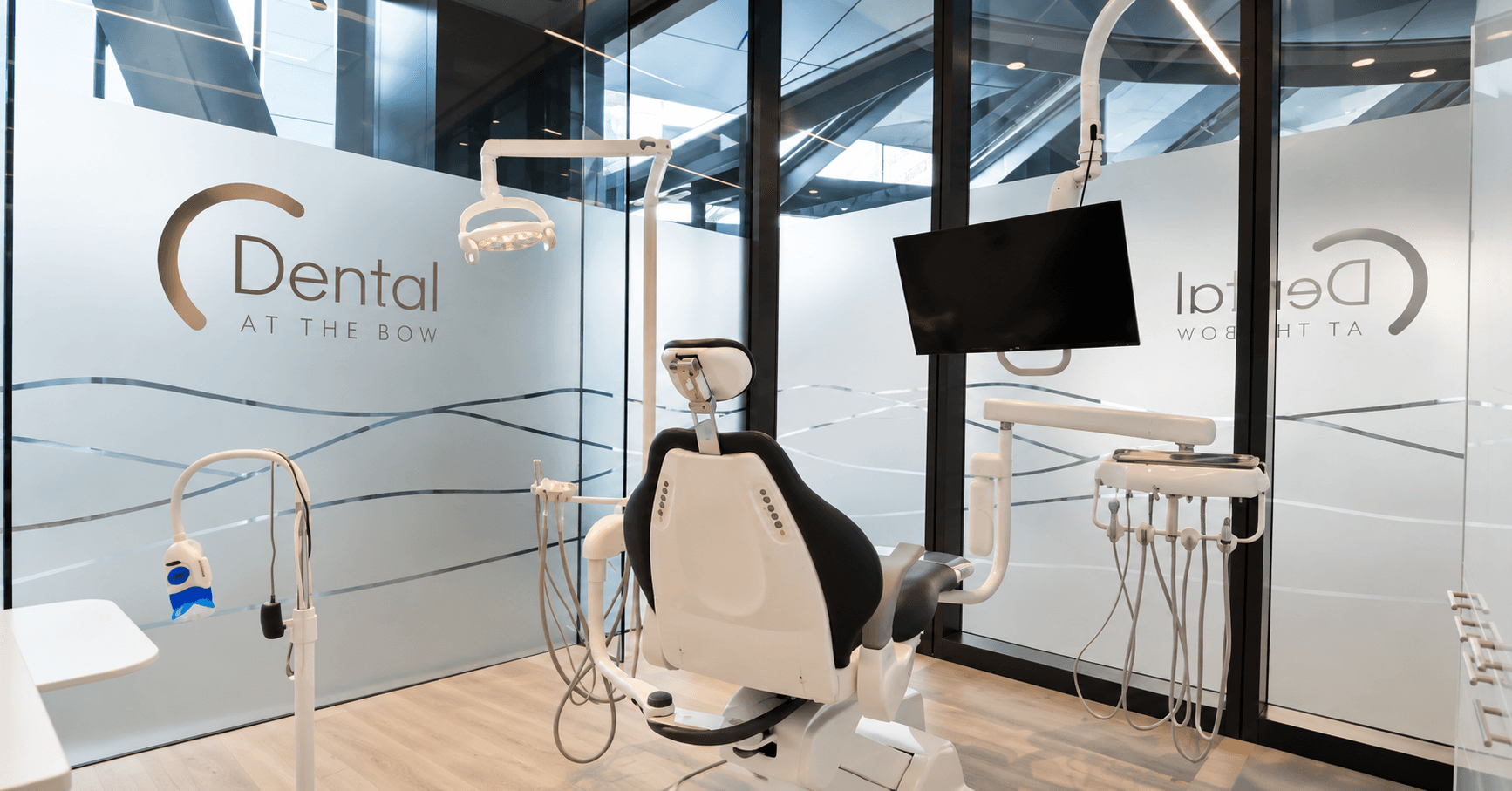
The assessment looks beyond whether the tooth is visible
Dr. Wu reviews the symptoms, health and dental history, gum tissue, the wisdom tooth, the tooth in front of it, cleaning access, bite, and surrounding areas. Records or imaging may be recommended when clinically useful to understand position and nearby structures.
- Eruption and positionThe assessment considers whether the tooth is through the gum, partly through, or still beneath gum or bone, along with the direction and space available.
- Cleaning and gum tissueA tooth that is difficult to reach or partly covered by gum tissue may collect plaque and food. The examination looks for changes around both the wisdom tooth and the tooth in front.
- Nearby teeth and tissuesThe position of the wisdom tooth and any changes involving nearby teeth, gums, bone, or other structures can affect monitoring, treatment, and referral decisions.
- Useful recordsThe Canadian Dental Association notes that dental X-rays can show impacted wisdom teeth and other findings that are not visible during an examination. The type and timing of any image must fit the clinical need.
Source: Canadian Dental Association, The Dental Exam: An Overview; MyHealth Alberta, Wisdom Tooth Problems
The findings may support monitoring, treatment, removal, or referral
The findings decide which of these deserves discussion.
Monitoring
When a wisdom tooth is not causing a current problem, the discussion may include keeping it under review and maintaining cleaning access. Monitoring is an active plan, not a guarantee that the tooth will never change.
Address another condition
Symptoms may relate to gum tissue, decay, a nearby tooth, another dental condition, or a non-dental source. The findings may point to care other than wisdom-tooth removal.
Removal
Removal may be discussed when the tooth is causing disease or repeated symptoms, is affecting a nearby area, cannot be maintained appropriately, or presents another concern supported by the examination and records.
Further assessment or referral
Position, nearby structures, health information, symptoms, or care complexity may lead to further records or referral.
Source: MyHealth Alberta, Wisdom Tooth Problems; Canadian Dental Association, Oral Surgery
Confirm the reason, provider, and individual plan
The stages below are general. The clinic confirms the plan after assessment.
Review the findings and alternatives
Ask what the examination and records show, why removal is being considered, whether monitoring or another treatment is reasonable, and which risks or limits apply.
Confirm which tooth or teeth are included
Each wisdom tooth can have a different position and condition. The plan should identify what is being recommended and why.
Confirm the provider and referral path
Ask who would provide the care, where it would occur, and how any referred and clinic-based steps connect.
Follow preparation instructions
The provider should explain the health, medication, eating or drinking, transportation, pain-management, and other instructions that apply to the approved plan.
Review aftercare and escalation before treatment
Know how to protect the site, whom to call, how follow-up works, and which changes require urgent dental or medical help.
Source: Canadian Dental Association, Oral Surgery; MyHealth Alberta, Wisdom Tooth Extraction: Before Your Procedure
Follow the treating provider's instructions for your case
The expected course after wisdom-tooth removal depends on the tooth or teeth, the approved procedure, health information, medications, and the person's response.
- Protect the extraction siteGeneral guidance from the Canadian Dental Association and MyHealth Alberta includes using gauze as directed and avoiding forceful rinsing, straws, or other actions that can disturb the blood clot during the period specified by the provider.
- Use the individual care planFollow the treating provider's directions for eating, drinking, oral hygiene, activity, medications, and follow-up. Do not substitute a website checklist for those instructions.
- Call about a concerning changeCall the treating provider about heavy or ongoing bleeding, pain that is not improving as expected, worsening swelling, fever, drainage, difficulty keeping down fluids, or another change that concerns you. If breathing or swallowing is affected, or symptoms otherwise feel life-threatening, call 911.
Source: Canadian Dental Association, Oral Surgery; MyHealth Alberta, Wisdom Tooth Extraction: What to Expect at Home
Is this about a tooth other than a wisdom tooth?
Tooth Extractions covers the broader preserve-or-remove assessment, including restorative and root canal comparisons.
Tooth ExtractionsAsk what the wisdom-tooth estimate includes.
Fees depend on the examination findings, the care recommended, and the treatment you choose. Factors may include clinically useful records, the number and position of teeth being assessed, symptoms or preparatory care, the provider, site management, follow-up, and referred care. Ask which provider and stage each estimate covers.
We can help submit eligible claims or estimates. Your plan determines coverage, limits, deductibles, exclusions, alternate-benefit rules, and whether the insurer pays the clinic directly. You are responsible for any amount not paid by your plan.

Confirm the provider after the wisdom-tooth assessment.
Dr. Michael Wu is a general dentist. He provides assessment and coordinated treatment planning. If your case requires care outside the clinic's scope, the team will explain the referral and how the next steps connect.
About Dr. Michael WuPatients
Christa was really kind and helpful. She welcomed us with a smile and was clear with insurance coverage, setting up with dentist and also sharing some quick do and don’ts for my wisdom tooth pain. Overall it was a good experience.
PRESIL BARDESKAR Tooth extraction and cleaning: Process and treatment was smooth.I didn’t feel uncomfortable or pain during the process. I would highly recommend to give it a try.
Ashok Kumar Over the past few months I've had to complete multiple dental procedures with Dr. Wu, each time the team has gotten me in quick for the emergency procedure and the work and professionalism has been exceptional. The quality of work has been great! Cannot thank them enough!
Jordan
Commonly Asked Questions
If your question is not answered here, call the clinic and the team will answer it.
Does every wisdom tooth need to be removed?
No. Wisdom teeth that are healthy, positioned appropriately, and maintainable may remain under review. Removal may be discussed when symptoms, disease, position, effects on nearby areas, or another supported concern makes it a reasonable option.
Can a wisdom tooth cause a problem without pain?
Some position, cleaning, decay, gum, or nearby-tooth concerns may not cause an obvious symptom at first. Examination and clinically useful records help determine whether monitoring or treatment is appropriate.
Does every wisdom-tooth assessment require an X-ray?
Records or imaging are recommended when clinically useful. The type and timing depend on the history, examination, available records, tooth position, and the decision being considered.
Will my wisdom teeth be removed at the assessment?
Do not assume that they will. The clinic will confirm the appointment type. Findings, records, consent, preparation, provider scope, urgency, and referral needs may affect the sequence.
Does Dental at the Bow remove every wisdom tooth?
Dr. Wu is a general dentist and provides assessment and coordinated treatment planning. If care is needed outside the clinic's scope, the team will explain the referral.
Is sedation available for wisdom-tooth removal?
Ask which comfort and pain-management approach applies to the approved plan. Follow the treating provider's instructions about eating, drinking, medication, transportation, and preparation.
Start with the position and condition of the wisdom tooth.
Request a wisdom-tooth assessment to review symptoms, position, clinically useful records, monitoring or removal considerations, care roles, aftercare, and expected fees. The clinic will contact you to confirm availability. For current pain, swelling, bleeding, injury, or worsening symptoms, call during clinic hours for current urgent availability.

