
Tooth pain assessment · Call first
Root canal assessment and treatment in Calgary
Tooth pain has several possible causes. Call (403) 313-3000 during clinic hours for current urgent availability. An examination is needed to determine whether root canal therapy, another treatment, a stabilising step, monitoring, extraction assessment, or referral may be appropriate. If symptoms feel life-threatening, call 911.
Do not wait for a routine form response for pain, swelling, injury, or bleeding.
- Your dentist
- Dr. Michael Wu, General Dentist
- Hours
- Open from 7 AM on weekdays
- Insurance
- Direct billing, most plans
- Fees
- Explained before treatment begins
Pain, swelling, injury, something broken, or a lost filling or crown?
For current pain, swelling, injury, bleeding, or worsening symptoms, call (403) 313-3000 during clinic hours for current urgent availability.
If swelling affects breathing or swallowing, or symptoms otherwise feel life-threatening, call 911.
Call about pain, swelling, or a change in the tooth
Tell the team what you feel, where it is, when it started, and whether it is changing. You do not need to decide whether the problem is a root canal.
Reasons to call
- Tooth pain that is new, increasing, persistent, or interfering with normal activity.
- Sensitivity that lingers or has changed from the tooth's usual response.
- Pain or pressure when biting or chewing.
- Swelling in the gum, mouth, face, tongue, or throat.
- A cracked, broken, deeply restored, or injured tooth.
- Another unexplained change around a tooth that concerns you.
If swelling affects breathing or swallowing, or symptoms otherwise feel life-threatening, call 911.

The findings determine whether root canal therapy fits
Dr. Wu reviews the history of the concern, symptoms, tooth, existing restorations, nearby tissues, and bite. Clinical tests, records, or imaging may be recommended when useful. The assessment is designed to identify the likely source of the problem and whether the tooth is suitable for the treatment being considered.
- Pulp and root findingsThe Canadian Dental Association explains that deep decay, cracks, trauma, or problems around an existing filling can allow the pulp inside a tooth to become injured or infected. Examination and records help distinguish this from other possible sources of pain.
- Condition of the remaining toothThe amount and strength of the remaining structure, fractures, existing restorations, gum and bone support, and bite may affect whether root canal therapy and a final restoration can be considered.
- Urgent needsSwelling, injury, bleeding, or severe symptoms may change the immediate priority. The first step may be urgent assessment, stabilisation, medical escalation, treatment, or referral.
- Reasonable optionsDepending on the findings, the discussion may include root canal therapy, restorative care, monitoring, extraction, or referral.
Source: Canadian Dental Association and Canadian Academy of Endodontics, Root Canal Treatment
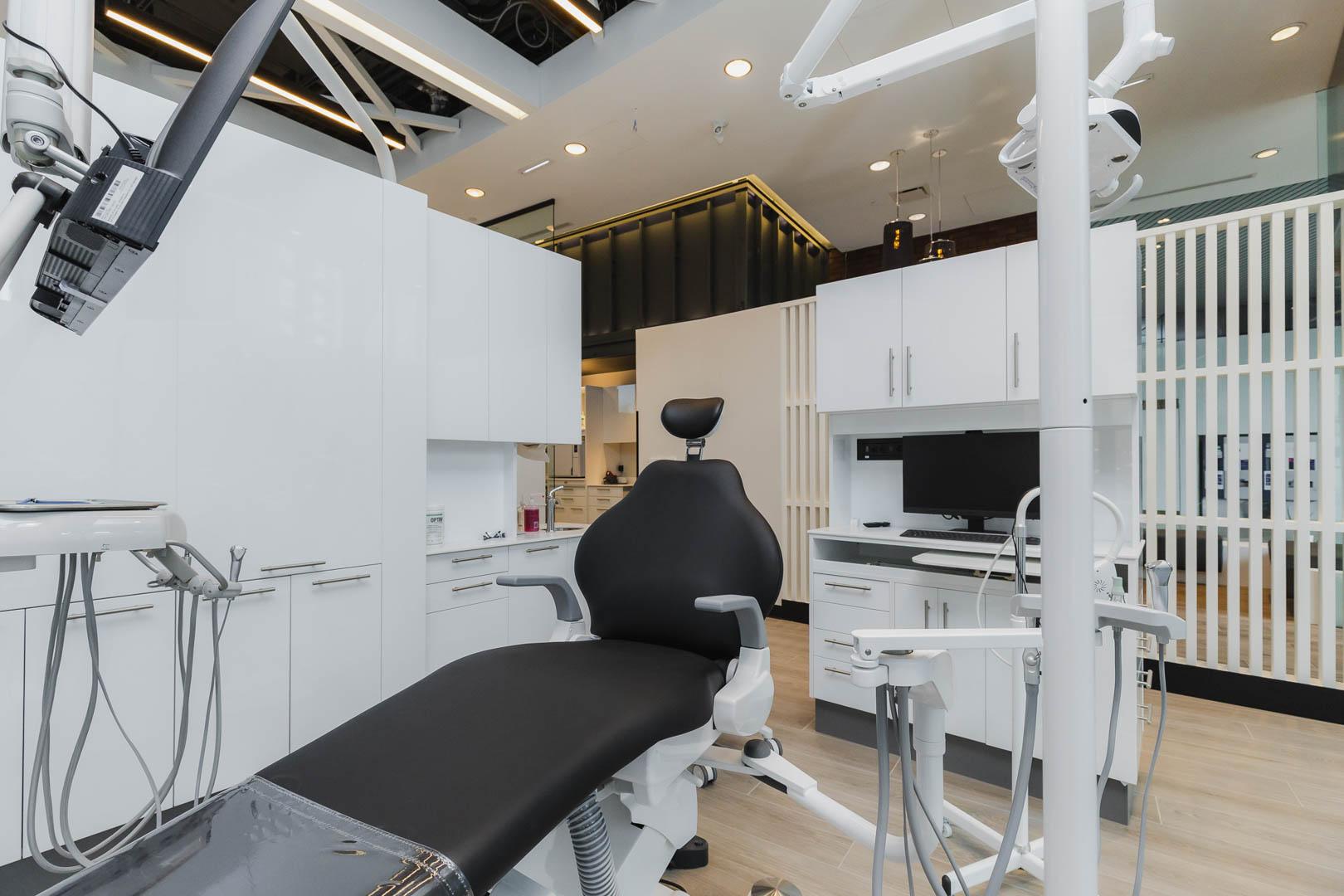
If root canal therapy is recommended, confirm the plan
The stages below are general. The clinic confirms provider, sequence, and restoration plan after assessment.
Review the diagnosis and alternatives
Ask what the examination and records show, why root canal therapy is being considered, what reasonable alternatives exist, and which findings could change the plan.
Confirm the provider and treatment sequence
The clinic should explain whether treatment is planned with Dr. Wu or another provider, which records are needed, how urgent concerns are handled, and when the final restoration will be considered.
Treat the root canal system
The Canadian Dental Association describes root canal therapy as accessing the root canal system, removing injured or infected pulp, cleaning and shaping the canals, then filling and sealing them.
Seal the opening and plan the restoration
The opening may be sealed with a temporary or permanent restoration as part of the approved plan. A separate final restoration decision may still be required.
Follow the individual care instructions
The treating dentist or endodontist will explain what to expect, how to care for the tooth, which restoration or follow-up is needed, and which symptoms should prompt a call.
Source: Canadian Dental Association and Canadian Academy of Endodontics, Root Canal Treatment
Compare the purpose, limits, and alternatives
The findings decide which of these deserves discussion.
Root canal therapy
When appropriate, root canal therapy addresses injured or infected pulp inside the tooth. The remaining tooth must still be assessed for restoration and ongoing care. Treatment does not guarantee that the tooth can be retained.
Extraction
Removal may be discussed when root canal treatment is not appropriate, the tooth is not suitable for the required restoration, or the visitor chooses that path after reviewing the findings and trade-offs. Replacement of the missing tooth may create a separate decision.
Another diagnosis or treatment
Pain may come from a different dental or non-dental source. The findings may point to restorative care, gum-related care, monitoring, medical evaluation, or another referral instead of root canal therapy.
Endodontist referral
An endodontist may be recommended for a complex diagnosis, anatomy, treatment, retreatment, or another situation outside the clinic's confirmed scope.
Treatment and restoration are separate stages.
The Canadian Dental Association explains that a tooth needs an appropriate restoration after root canal treatment. A permanent filling, crown, or another plan may be considered, depending on the tooth, its location, remaining structure, bite, existing restoration, and other findings. Ask who provides the root canal treatment, who provides the final restoration, what happens between those stages, and which fees are included in each estimate.
Dental CrownsAsk what each estimate and stage includes.
Fees depend on the examination findings, the care recommended, and the treatment you choose. Factors may include the tooth involved, records or imaging, complexity, urgent or stabilising care, provider, root canal treatment, temporary or permanent sealing, final restoration, follow-up, and referred care. Ask whether separate providers or stages have separate estimates.
We can help submit eligible claims or estimates. Your plan determines coverage, limits, deductibles, exclusions, alternate-benefit rules, and whether the insurer pays the clinic directly. You are responsible for any amount not paid by your plan.

Confirm the provider before treatment begins.
Dr. Michael Wu is a general dentist. He provides assessment and coordinated treatment planning. A dentist with advanced specialty training in this area is called an endodontist and may be involved when appropriate. If your case requires care outside the clinic's scope, the team will explain the referral and how treatment and final restoration connect.
About Dr. Michael WuPatients
Such a great experience! I had a bit of my front tooth enamel that chopped off and the dentist squeezed me in. Thank you so much!
Tania Thompson Tooth extraction and cleaning: Process and treatment was smooth.I didn’t feel uncomfortable or pain during the process. I would highly recommend to give it a try.
Ashok Kumar Dr. Wu was fantastic! He extracted my wisdom tooth with zero stress and made me feel completely comfortable the whole time. Professional, gentle, and reassuring. Highly recommend him and Dental at the Bow
Leroy Rodrigues
Commonly Asked Questions
If your question is not answered here, call the clinic and the team will answer it.
Does tooth pain mean I need a root canal?
Not necessarily. Tooth pain has several possible causes. An examination, clinical tests, and records when useful help identify the source and appropriate options.
Can root canal therapy save the tooth?
Root canal therapy may be considered as part of a plan to retain a tooth, but no result can be promised.
The pulp, roots, remaining tooth structure, fractures, support, bite, restoration options, and response to care may affect the outcome.
Who performs the root canal treatment?
Dr. Wu is a general dentist and provides assessment and coordinated planning. If an endodontist or another provider is needed, the team will explain the referral.
How many appointments does root canal treatment take?
The sequence depends on the diagnosis, tooth, complexity, provider, urgent needs, response to treatment, and final restoration plan.
Will I need a crown after root canal treatment?
The final restoration depends on the tooth, its location, remaining structure, bite, existing restoration, and other findings. A permanent filling, crown, or another restorative plan may be considered.
What should I do if pain or swelling gets worse?
Call (403) 313-3000 during clinic hours for current urgent availability.
If swelling affects breathing or swallowing, or symptoms otherwise feel life-threatening, call 911. Do not wait for a routine form response.
Call and describe what is happening with the tooth.
Call (403) 313-3000 during clinic hours for current urgent availability. An examination is needed to identify the cause and discuss root canal therapy, another treatment, a stabilising step, extraction assessment, or referral. If symptoms feel life-threatening, call 911.


