
Tooth coverage · Findings first
Dental crowns in downtown Calgary
A crown may be considered when a damaged or weakened tooth needs more coverage than a direct filling can provide. An examination is needed to determine whether a crown or another option fits the tooth and your clinical situation.
- Your dentist
- Dr. Michael Wu, General Dentist
- Hours
- Open from 7 AM on weekdays
- Insurance
- Direct billing, most plans
- Fees
- Explained before treatment begins
Pain, swelling, injury, something broken, or a lost filling or crown?
Tooth pain, swelling, injury, or a broken tooth? Call (403) 313-3000 and view Emergency Dentistry.
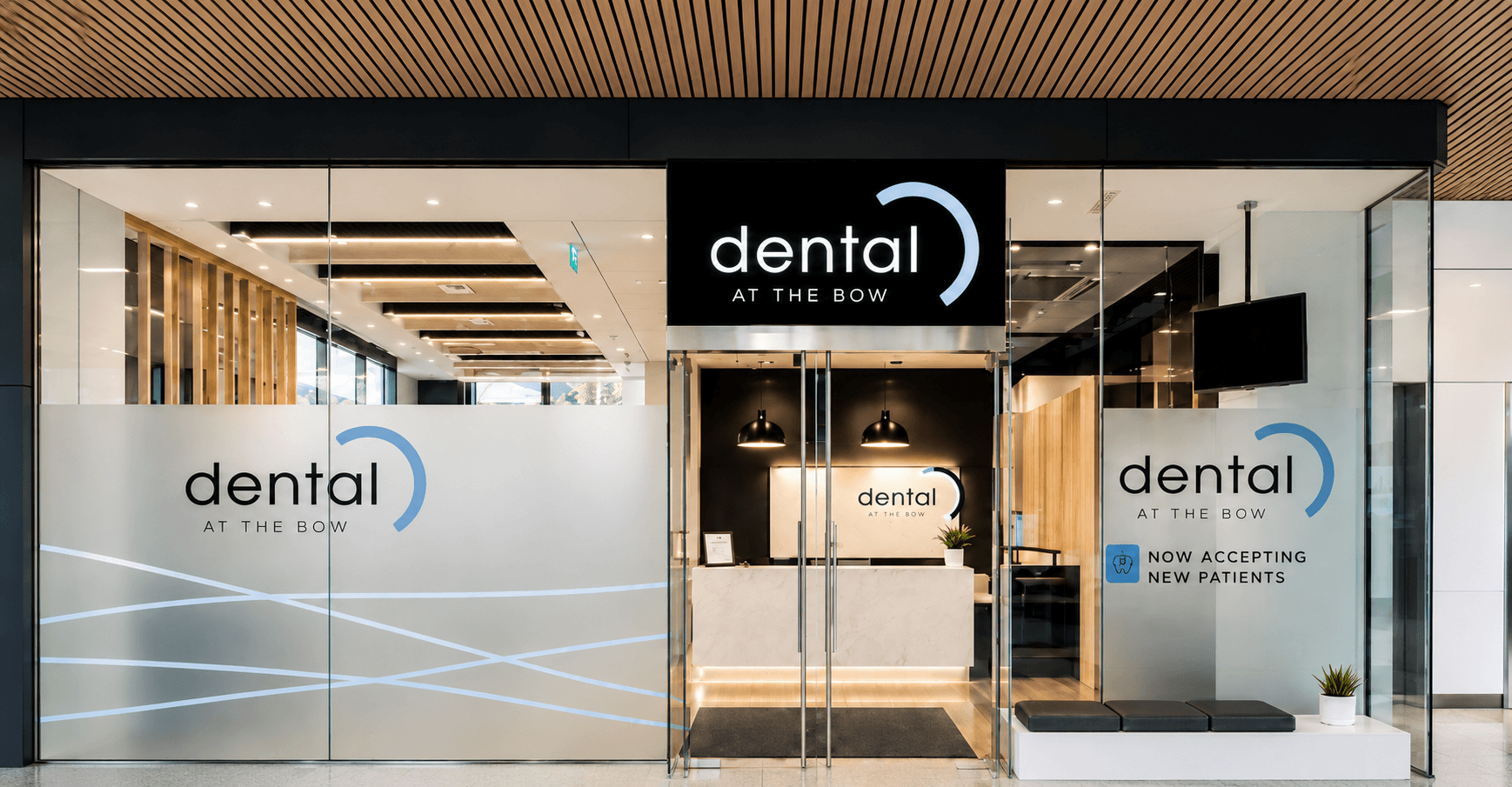
A crown assessment starts with the reason the tooth needs more support
A crown may enter the discussion when a tooth has a large existing restoration, has broken or worn, has lost substantial structure, has been treated with root canal therapy, or needs a change that cannot be addressed with a direct repair. These situations do not automatically mean a crown is appropriate or that the tooth can be retained.
Pain, swelling, injury, or a newly broken tooth should use the call-first urgent path.
The findings determine whether coverage is appropriate
Dr. Wu reviews the concern, relevant history, symptoms, tooth, existing restorations, nearby tissues, and bite. Records or imaging may be recommended when clinically useful. The assessment is designed to clarify the condition of the tooth and which options are reasonable.
- Remaining tooth structureThe amount, location, and condition of the tooth that remains affect whether a direct repair, crown, or another plan can be considered.
- Pulp, root, and surrounding tissuesSymptoms or findings may require root canal assessment, gum-related care, further records, monitoring, or referral before a final restoration is chosen.
- Bite and tooth positionThe forces on the tooth and how it meets the opposing teeth can affect the restoration discussion.
- Existing treatment and alternativesThe assessment considers current fillings or other restorations, whether a less extensive repair is appropriate, and whether removal and replacement should be discussed instead.
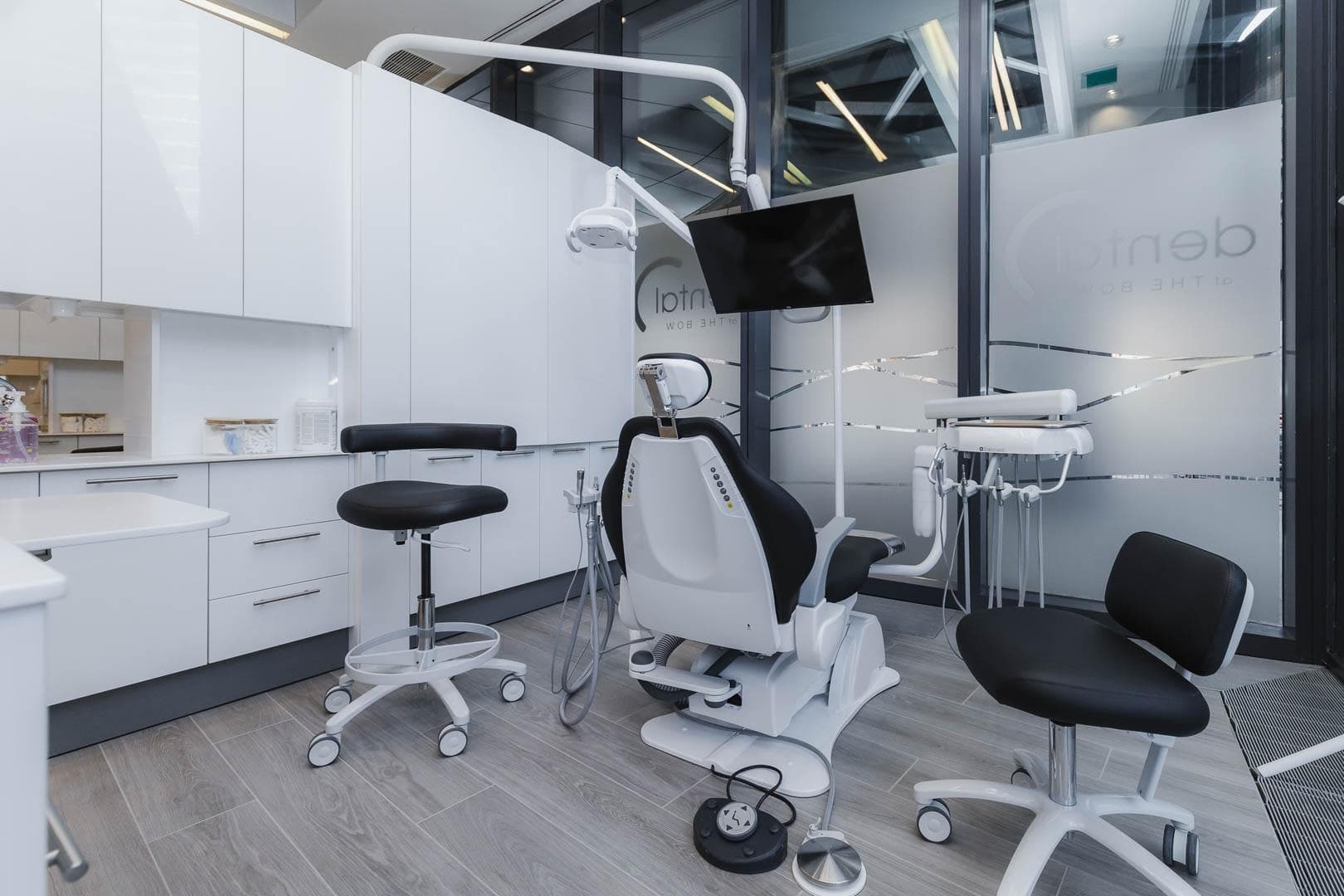
If a crown is recommended, confirm the stages
The stages below are general. The clinic confirms responsibilities and sequence after assessment.
Agree on the treatment plan
Review why a crown is being considered, reasonable alternatives, preparation, material, records, expected fees, and any treatment that must happen first.
Prepare and record the tooth
The Canadian Dental Association describes crown treatment as creating room for the restoration and recording the prepared tooth and nearby teeth so the crown can be made.
Protect the tooth during the approved workflow
Some crown workflows use a temporary or provisional restoration before the final crown is placed. Ask whether that applies, how to care for it, and whom to call if it loosens or breaks.
Check the final restoration
Before placement, the dentist checks factors such as fit, shape, contact, appearance where relevant, and bite.
Review maintenance and follow-up
The team explains cleaning, use, follow-up, and which changes should prompt a call. A crown still requires daily care and ongoing dental review.
Compare coverage with other treatment paths
The findings decide which of these deserves discussion.
Direct repair
A filling or repair may be considered when the affected area and remaining tooth structure can support a direct restoration. It involves less coverage than a crown, but it may not fit every weakened or heavily restored tooth.
Crown coverage
A crown involves preparing the tooth so a restoration can cover it. The assessment should explain why that amount of coverage is being considered, what structure remains, and which limits apply.
Root canal coordination
If the pulp inside the tooth is inflamed, infected, injured, or dead, root canal assessment may be needed. The final restoration decision depends on the remaining tooth structure and other findings. A crown does not replace root canal treatment when that treatment is indicated.
Extraction and replacement discussion
If the tooth is not suitable for the proposed restoration, extraction and replacement options may need to be discussed.
Is the pulp inside the tooth part of the question?
Root Canal Therapy covers the assessment when findings point to the pulp inside the tooth.
Root Canal TherapyAsk what the crown estimate includes.
Fees depend on the examination findings, the care recommended, and the treatment you choose. Factors may include records, the condition of the tooth, management of an existing restoration, preparation or foundation work, material, laboratory or digital workflow, provisional care, final placement, adjustments, root canal treatment, and referred care. Ask which items are included and which may have a separate estimate.
We can help submit eligible claims or estimates. Your plan determines coverage, limits, deductibles, exclusions, alternate-benefit rules, and whether the insurer pays the clinic directly. You are responsible for any amount not paid by your plan.

Confirm who provides each stage.
Dr. Michael Wu is a general dentist. He provides assessment and treatment planning. If your case requires care outside the clinic's scope, the team will explain the referral and how the stages connect.
About Dr. Michael WuPatients
Came in for a check up since I'm in the area and was greeted with smiles all around. Had a great experience with the front desk staff and the dentist himself. Everyone was very personable, friendly and explained exactly what was going on with my mouth. Will definitely be back for the rest of my dental needs!
Chris Postnikoff Such a great experience! I had a bit of my front tooth enamel that chopped off and the dentist squeezed me in. Thank you so much!
Tania Thompson Absolutely phenomenal dental office! Everyone is so friendly, accommodating, and knowledgeable about their work. I’ve been to many dental offices that care very little about their patients, but Dental at the Bow is certainly not one of them. Very glad I decided to start coming here.
Evan Poulson
Commonly Asked Questions
If your question is not answered here, call the clinic and the team will answer it.
How do I know whether I need a crown or a filling?
An examination is needed. The extent and location of the concern, remaining tooth structure, existing restorations, symptoms, pulp health, bite, and other findings may affect the recommendation.
Does every tooth with a root canal need a crown?
The final restoration depends on the tooth, its location, the strength of the remaining structure, bite, and other findings.
The Canadian Dental Association notes that a permanent filling or crown may be used after root canal treatment. Dr. Wu will explain the option considered for the tooth.
How many appointments does a crown take?
The number and sequence depend on the tooth, records, material, workflow, provisional care, treatment needed first, and whether another provider is involved.
Which crown materials does Dental at the Bow offer?
Ask before treatment. Dr. Wu will explain the material considered for your clinical situation, including relevant use, appearance, limits, and fees.
What should I do if a temporary or existing crown loosens or breaks?
Call (403) 313-3000 during clinic hours for current urgent availability. Do not assume the tooth can wait or that the same restoration can be placed again without an examination.
Will insurance cover a crown?
Your plan determines coverage, limits, exclusions, alternate-benefit rules, and direct payment. Ask for an estimate and review Insurance and Fees.
Start with the condition of the tooth.
Request a crown assessment and the clinic will contact you to confirm availability. For pain, swelling, injury, a broken tooth, or a loose or lost crown, call during clinic hours for current urgent availability.


